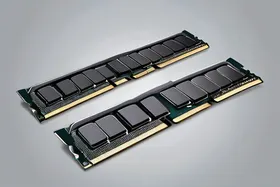
The rising cost of RAM and flash memory chips, driven by the increasing demands of data centers supporting artificial intelligence, is expected to temper the industry's focus on "AI PCs." According to technology research firm Omdia, mainstream PC memory and storage costs rose by 40 to 70 percent in 2025, a surge that is being passed on to consumers. This price hike, while detrimental to those looking to purchase or upgrade computers, may offer a respite from the pervasive marketing and discussion surrounding AI-integrated personal computers.
The shortage stems from the growing infrastructure needs of AI, which requires vast amounts of memory and storage. As Ars Technica reported, the AI boom is placing unprecedented strain on the supply of these components. Ben Yeh, principal analyst at Omdia, highlighted the direct impact of this demand on the PC market.
While global PC shipments saw growth in 2025, with Omdia reporting a 9.2 percent increase compared to 2024 and IDC reporting a 9.6 percent increase, analysts anticipate a more unstable market in 2026. Jean Philippe Bouchard, research VP with IDC's worldwide mobile device trackers, stated that the coming year is shaping up to be "extremely volatile." Both Omdia and IDC expect PC manufacturers to actively manage the RAM shortage.
The concept of the "AI PC" centers around integrating dedicated hardware, such as neural processing units (NPUs), directly into personal computers to accelerate AI-related tasks. These tasks range from enhancing video conferencing features to enabling more sophisticated local AI model execution. However, the increased cost of RAM may force manufacturers to reconsider the aggressive push towards these specialized machines, potentially delaying widespread adoption.
The implications of this shift extend beyond the consumer electronics market. A slower adoption rate of AI PCs could impact the pace at which AI technologies are integrated into everyday workflows and applications. This could, in turn, influence the broader societal impact of AI, potentially delaying both the benefits and challenges associated with widespread AI adoption.
Currently, PC makers are navigating the supply chain challenges and exploring strategies to mitigate the impact of rising memory costs. The focus may shift towards optimizing existing hardware and software configurations, rather than solely relying on new AI-specific hardware. The next few quarters will be crucial in determining how the PC industry adapts to the RAM shortage and its effect on the evolution of AI in personal computing.















Discussion
Join the conversation
Be the first to comment